
As November 11 approaches, I think about the people I worked beside and the people we lost.
I will never forget them.
For me, Remembrance Day is personal. Behind the uniforms and the names are people I knew. Colleagues whose absence is still felt. People who were part of my years of service and who will always be part of my story.
On Remembrance Day, we pause to honour those who served and those who lost their lives in military service. As a retired RCMP officer, this time of reflection also brings to mind the colleagues we have lost in policing and the people who continue to carry those losses.
For military members, veterans, first responders, and their families, this can be a difficult time of year. A ceremony, a photograph, a familiar name, or a moment of silence may bring memories close again.
Some people will talk about what they are remembering. Others will carry it quietly.
That is why, alongside remembering those we have lost, I hope we will make time to check on those who are still here.
What We May Not See
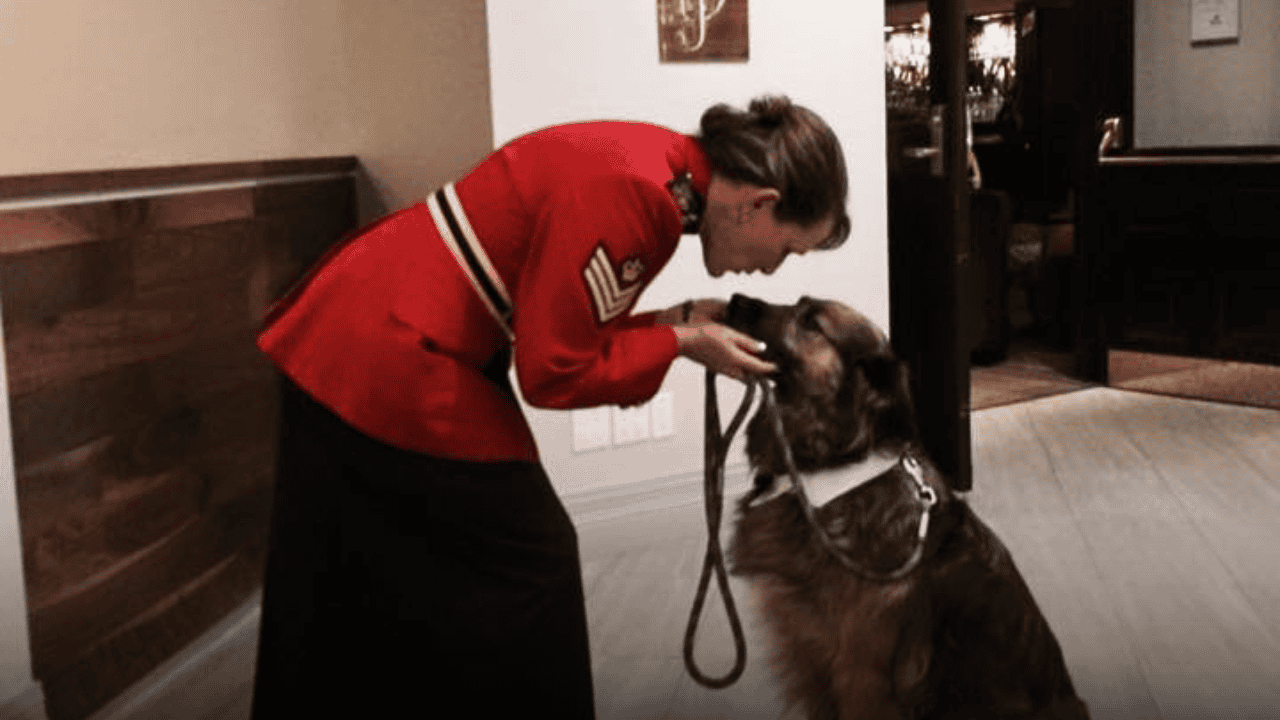
During my 24 years with the RCMP, I learned how much can exist beneath the surface of someone who continues to show up and do their job.
I know because I was that person.
After the Moncton shootings in 2014, I coped by running.
Over four months, I lost almost 20 pounds.
And no one noticed.
From the outside, running might have looked like a healthy way to manage stress. I was getting outside. I was exercising. I was doing something people generally encourage.
What people did not see was that I ran until I threw up—or almost did—before I would turn around.
I was coping in the way I knew how, but there was more happening than anyone could see.
I share that because it has stayed with me: someone can be doing something that looks healthy and still be hurting.
Someone can keep working, meet their responsibilities, and be the person others depend on while struggling themselves.
I wish someone had noticed what was changing for me.
That experience shapes what I ask of others today.
Keep the Invitation Open
Think about someone you regularly invite for coffee.
One day, they say, “I can’t today. I’m busy.”
The next time, “Maybe next week.”
Then they miss lunch. They stop coming to get-togethers. There is always a reason.
Eventually, you stop asking.
It is understandable. We don’t want to push. We assume they will reach out when they have time.
But sometimes, that is when the connection matters most.
One declined invitation may mean someone is busy. People need time alone, and no one should have to explain every quiet day.
What deserves our attention is a change—a friend who used to organize everything but no longer comes, a colleague who always stayed to chat but now leaves immediately, or someone whose “I’m busy” has become the answer every time.
We do not have to decide what that change means before we reach out.
“I’ve missed you. Would you like to go for a coffee?”
“You seem quieter lately. How are you doing?”
“I’m thinking of you as Remembrance Day approaches. Would you like some company?”
Then we need to leave room for the answer.
We can listen without comparing experiences or immediately offering advice. We can allow a silence without rushing to fill it.

And if the answer is “I’m fine,” we can gently ask a second time.
“Are you really fine? I’ve noticed you haven’t been joining us for coffee lately, and you seem quieter than usual. I care about you and wanted to check in.”
Mentioning what you have noticed lets them know you are paying attention and gives them an opening to share more.
If they are not ready to talk, respect that and keep the door open.
“Okay. I’m here if you want to talk. I’ll check in again.”
The follow-through matters. Make the call you said you would make. Keep offering a place at the table. Let someone know their company is wanted, even when they have declined before.
Remember Them. Reach Out to Someone.
I cannot change what happened in 2014. I cannot bring back the people we lost, and I cannot change how I struggled afterward.
But I can speak honestly about it. I can carry the memory of the people I worked with and lost. And I can ask you to pay attention to someone in your own life.
If you have a military member, veteran, or first responder in your family, workplace, or circle of friends, check in on them this November.
You do not need to ask them to recount painful experiences. You can ask how they are doing today. Offer a walk, a coffee, or some quiet company. Let them choose what they want to share.
And remember that the difficult feelings may still be there after November 11, when the ceremonies are over and everyone else returns to their routines.
I will never forget the people I worked beside and lost. This November, I will be thinking of them—and of everyone who is missing someone, remembering a difficult experience, or trying to get through the day without letting it show.
As we take time to remember, let’s also make time to reach out.
Be the person who notices.
Then be the person who calls.
Brave Conversations Start Here.™