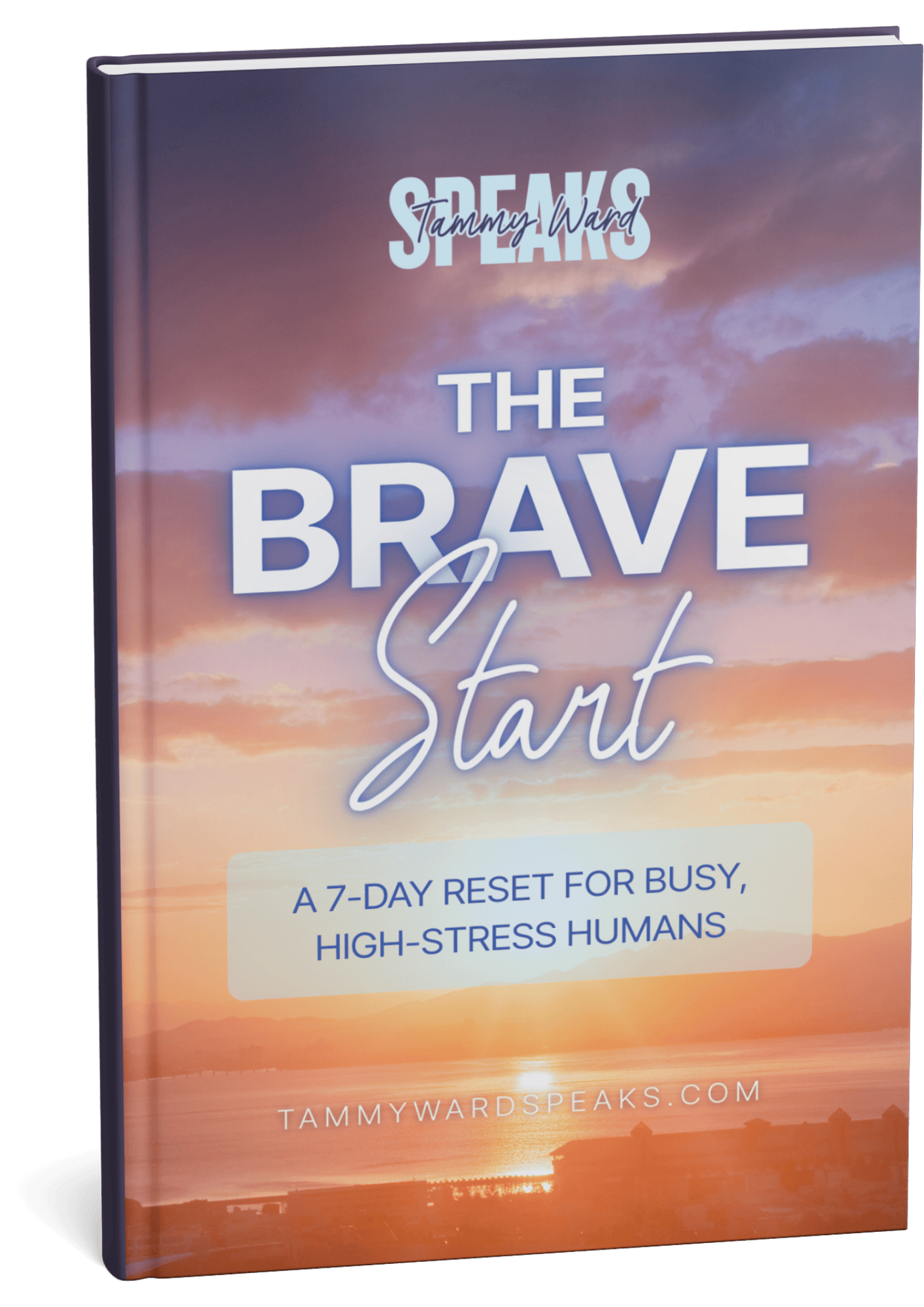

Your health is not optional — it’s foundational.
In high-stress workplaces, self-care is often the first thing to disappear. When the pressure is on, the workload is heavy, and others are depending on us, we push through. We survive. We cope. And somewhere along the way, we forget about ourselves.
I know this pattern well.
During my years in policing, stress was constant — not occasional. The expectation was to perform, stay composed, and keep moving forward, no matter what was happening internally. That environment taught me resilience, but it also taught me how easy it is to ignore your own well-being when helping others feels more urgent.
The Workplace “S” Word
Stress is like an uninvited guest — it shows up whether you asked for it or not.
According to Statistics Canada, over 4.1 million Canadians report experiencing high or very high levels of work-related stress. That’s more than one in five working adults. And those numbers don’t even begin to capture the emotional load carried by people in healthcare, first response, leadership, education, and service-based roles.
Stress doesn’t come from one place. It builds through:
- heavy workloads
- emotional labour
- lack of control
- workplace relationships
- job insecurity
- harassment or discrimination
- the constant pressure to “hold it together”
Left unaddressed, chronic stress impacts mental health, physical health, relationships, and performance.
Self-Care Is Not a Luxury
Self-care isn’t reserved for weekends or vacations. It’s not indulgent — it’s preventative.
Self-care means intentionally supporting your mental, emotional, and physical health in ways that are realistic and sustainable. Small, consistent practices matter far more than big gestures you can’t maintain.
When you don’t take care of yourself, your nervous system stays in survival mode. And when you live in survival long enough, it starts to feel normal — even though it isn’t healthy.
Five Practical Self-Care Strategies for High-Stress Work
These are not complicated. They are effective because they are doable.

1. Mindful Breathing
A few intentional breaths can regulate your nervous system in minutes. When stress rises, pause and breathe deeply — in through your nose, out through your mouth. This anchors you back into the present moment.
2. Physical Movement
Movement doesn’t have to be intense. Walk, stretch, practice yoga, or simply stand up and move your body regularly. The best movement is the one you’ll actually do.
3. Create a Healthier Environment
Your surroundings matter. From cleaner products to quieter spaces to boundaries around your time, small environmental shifts can reduce stress without adding effort.
4. Emotional Support

We all need someone we trust. Keeping everything inside is one of the fastest ways to burn out. Whether it’s a colleague, friend, or professional support, connection is protective.
5. Learn While You Lead
Use breaks as opportunities to reset — not just scroll. Lunch-and-learns, short wellness sessions, or moments of reflection can restore energy and perspective during demanding days.
Put Yourself Back on the List
At the end of the day, the only person who will always be with you is you.
Self-care isn’t selfish. It’s how you stay well enough to keep showing up — at work, at home, and in your life. When organizations normalize wellness and individuals give themselves permission to pause, everyone benefits.
As I often say:
“Speak up as if your life depends on it — because it does.”